
What Are Hickory Nuts, and How Do You Use Them?
Hickory nuts are the nuts of Carya trees. For cooking, the part you want is the kernel inside the hard shell. “Hickory” covers several species, so buy or identify the specific nut rather than treating the name as a single ingredient with a uniform flavor.
Which hickory nuts are used for food?
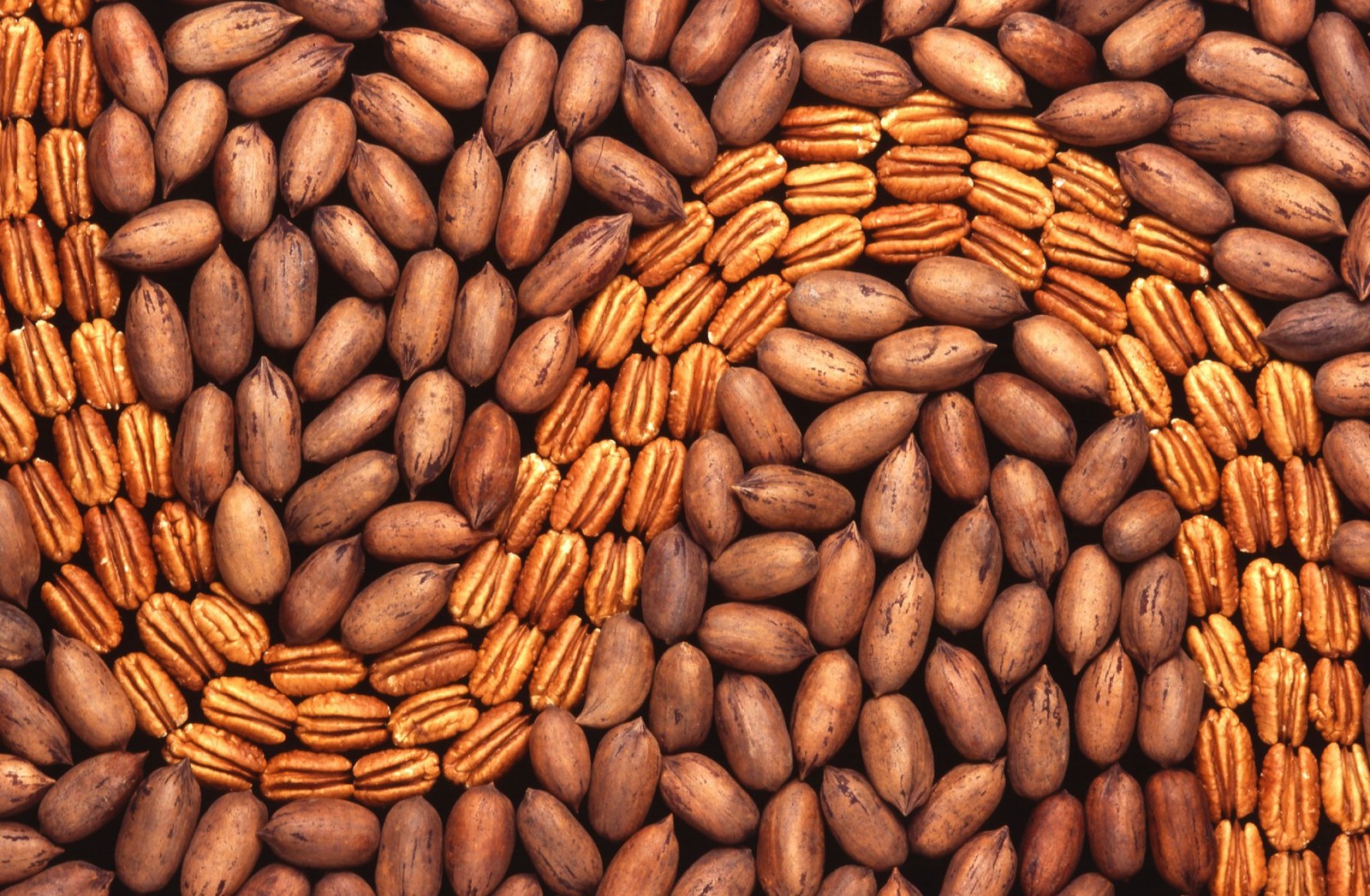
Shagbark (Carya ovata) and shellbark (Carya laciniosa) are familiar North American food nuts. Pecan (Carya illinoinensis) also belongs to the hickory genus. The Missouri Department of Conservation's species guide distinguishes these from bitter-nutted hickories.
Chinese hickory (Carya cathayensis) is another species, often encountered as a prepared snack associated with Lin'an. If that is what you have, our guide to in-shell, hand-cracked and shelled Chinese hickory is the more practical next step.
Choose a species known for eating quality rather than using any nut labeled hickory. Bitternut has bitter nuts, and NC State Extension notes that its nuts can be bitter. Never use tasting to identify an unknown wild nut.

Choose the right format for the job
- For a quick topping: ready-to-eat shelled kernels save the work of cracking and sorting.
- For baking: plain kernels give you more control over salt and sweetness than a flavored snack.
- For eating from the shell: confirm that the nuts are intended to be eaten as sold and use a suitable nutcracker if required.
When comparing pack weights, remember that in-shell weight includes material you will discard. Recipe quantities usually refer to edible kernels unless the recipe says otherwise.
Prepare kernels before adding them to food
- Check the label for species or product identity, ingredients and preparation instructions.
- Remove shells with an appropriate nutcracker. Do not open hard shells with your teeth.
- Spread the kernels on a plate and inspect for shell fragments before chopping.
- Set aside nuts with mold, damage or an unusual odor rather than mixing them into the dish.
- Follow the product's directions if it requires cooking. Do not assume that a brief home toast makes an unprocessed product ready to eat.
How to use ready-to-eat hickory kernels
Breakfast and salads
Add chopped kernels shortly before serving when you want a distinct nut texture. Check whether a sweet coating or salt seasoning suits the rest of the food.
Cookies, cakes and other baking
A recipe calling for chopped pecans or walnuts can be a starting point for an experiment with identified edible hickory kernels. Use the recipe's stated kernel weight and keep the chop size similar. Expect some differences in flavor and texture, and try a small batch before making a larger quantity.
Savory dishes
Try plain ready-to-eat kernels as a finishing ingredient over cooked vegetables or grain dishes. This keeps the nut separate from the main cooking process and lets you adjust the amount at the table.
Storage and nutrition: use the product information
Keep the label and follow its unopened and after-opening storage instructions. Storage needs vary with shelling, roasting, seasoning and packaging.
For nutrition, check the stated serving size and whether it refers to kernels. Values for one hickory species or a plain nut do not automatically describe another species or a sweetened snack. Our Chinese hickory nutrition guide explains these distinctions.
Read ingredient and allergen information before sharing food. The FDA advises people with food allergies to read labels and avoid their allergens. An unfamiliar nut is not an allergy-safe substitute.
If you found the nuts outdoors
This kitchen guide does not establish edible identification. Have the tree and fruit checked by a qualified local expert; photos or an app result alone are not enough. See our identification guide and its limits before considering a wild harvest.