How to Eat Chinese Hickory Nuts: In-Shell, Hand-Cracked and Shelled
To eat Chinese hickory nuts, remove the hard shell and eat only the kernel. Packaged nuts may arrive whole, deliberately pre-cracked or already shelled, so start by checking which format you have and whether the product is ready to eat.
Updated 2 November 2026: expanded storage and freshness guidance.
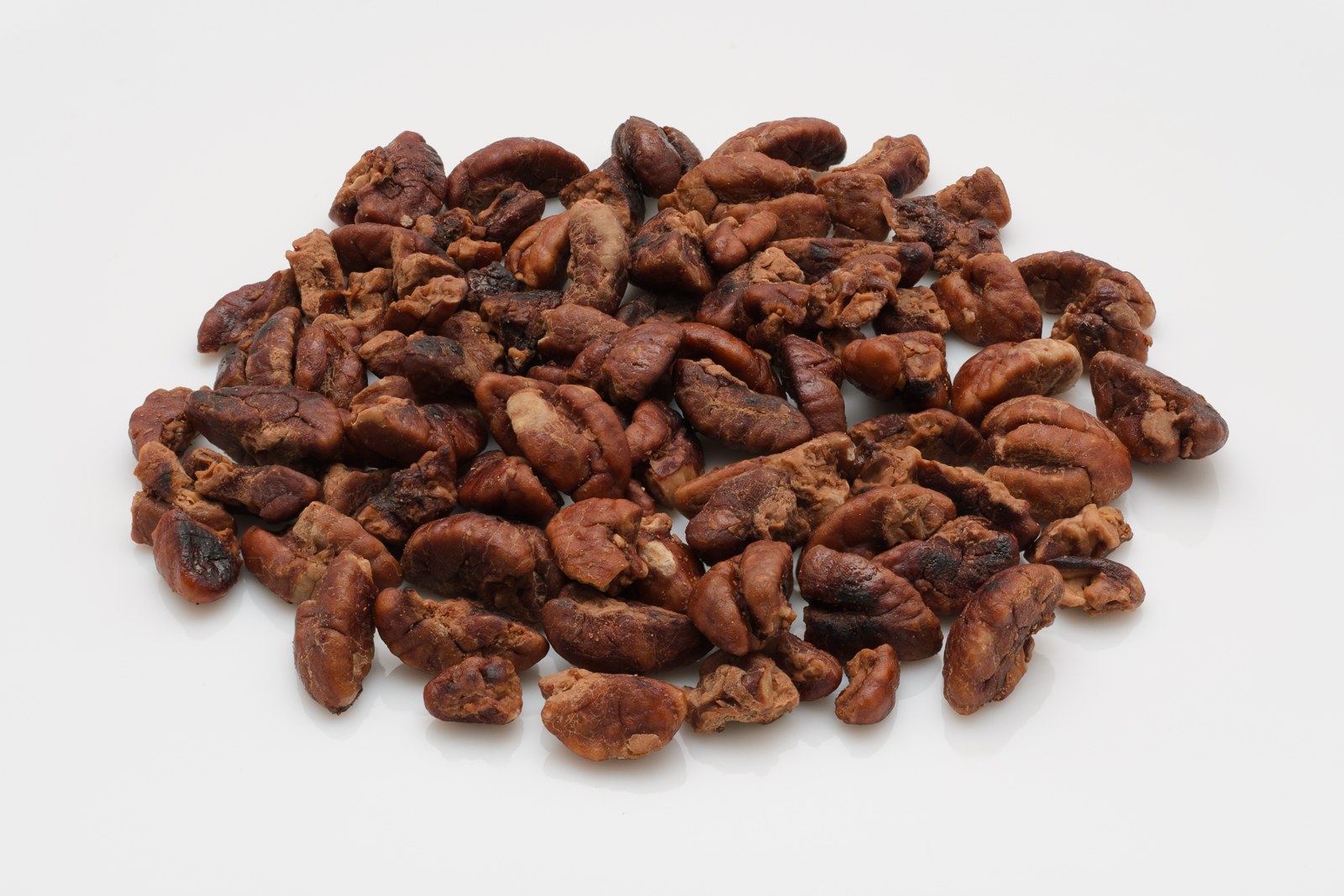
Featured photo: Chinese hickory kernels by King of Hearts / Wikimedia Commons / CC BY-SA 4.0. Resized for web.

Chinese hickory is Carya cathayensis, listed under 山核桃 in Chinese Plant Names at eFloras. This guide is for purchased food products, not for identifying nuts collected outdoors.
Check the package before opening the nuts
- Whole in-shell: the kernel is enclosed in a hard shell. Have a nutcracker suited to small, hard nuts ready.
- Hand-cracked or pre-cracked: the shell has been intentionally broken to make opening easier. A crack can be part of the product format; it does not automatically mean the nut is defective.
- Shelled kernels: the shell has been removed. These are the simplest option for chopping or adding to food, though you should still check for stray fragments.
Format and preparation are separate questions. A nut can be in its shell and already roasted or seasoned. Look for ready-to-eat wording and the manufacturer's preparation instructions. If these are missing or unclear, ask the seller rather than assuming an unprocessed nut is a finished snack.
How to open in-shell nuts
- Work on a stable surface with a bowl for shells and a separate plate for kernels.
- For a pre-cracked nut, gently separate pieces that come away easily. Use a suitable nutcracker if the shell resists. Do not bite through the shell or force a knife into it.
- For a whole nut, follow the nutcracker's instructions and apply pressure gradually. Keep fingers clear of the moving parts; avoid crushing the kernel into the shell.
- Remove the kernel, checking its folds and the work surface for hard fragments before eating.
- Discard shells and any nuts showing mold, insect damage or an unusual odor. Do not try to rescue questionable nuts by roasting them.
Opening the shell is preparation, not a food-safety treatment. Use food-grade nuts from an identifiable source and follow the product's handling instructions.
Three simple ways to use ready-to-eat kernels
As a topping
Chop checked kernels and scatter them over porridge, yogurt or a salad just before serving. Start with a small amount so you can judge how their seasoning fits the dish.
In baking
Use chopped kernels where a recipe calls for chopped nuts. Weigh the edible kernels, not the shells. Sweetened or salted products change the finished flavor, so plain kernels are the easier starting point. For a precise result, use a recipe written for the type and preparation of nuts you have.
With a savory dish
Add ready-to-eat kernels at the end of cooking when you want them to remain distinct and crunchy. Check the ingredient list first: a sweet snack coating may not suit the dish.
How to store Chinese hickory nuts after opening
Good storage helps protect the flavor and crunch of the kernels. Start with the pack's instructions, then make it easy to close, label and use what you have.
What should I do with an opened pack?
- Seal it: close a resealable pack fully, or transfer the nuts to a clean, dry, airtight food-storage container. Use clean, dry utensils.
- Label it: note the opening date and keep the original label or a photo, including ingredients, storage directions and batch details.
- Choose a suitable spot: if the label permits cupboard storage, choose a cool, dry, dark cupboard away from the cooker and sunny windows. Avoid leaving the pack open between snacks.
Air, heat and light can reduce food quality; Utah State University Extension's storage guide explains why protective packaging and a dark location help. Research on Carya cathayensis stored at different temperatures also found faster oil deterioration and loss of sensory quality at higher temperatures. That study does not establish an expiry date for every retail pack.
Should I refrigerate or freeze the nuts?
For nuts you will not use soon, UC Davis recommends sealed refrigerator or freezer storage to help prevent rancidity. Apply this general nut guidance only where it fits your product's directions, especially for flavored or coated snacks. Ask the manufacturer if the label is unclear. For convenience, divide a large pack into smaller sealed portions so you can take out what you need and leave the rest stored. Cold storage does not reset the product's age or make questionable nuts safe.
How long do they keep once opened?
Use any stated after-opening limit and storage conditions. A printed best-before date is not automatically an after-opening allowance: Health Canada explains that it describes the unopened product. Raw, roasted, seasoned, in-shell and shelled products differ, as does their packaging, so there is no reliable one-size-fits-all number of days for this guide. If the pack gives no after-opening timing, ask its maker rather than treating a general nut-storage estimate as a guarantee.
When should I throw them away?
Rancidity is deterioration of the nut's oils and flavor; it is different from contamination by harmful microbes or toxins. Discard nuts with an unusual odor, visible mold or insect damage. USDA's mold guidance lists moldy nuts for disposal, not trimming or reheating. Do not try to rescue them by roasting.
Normal appearance or smell cannot establish that food is safe, as Health Canada's storage advice explains. Do not taste questionable nuts to test them. If their storage history is uncertain or you suspect contamination, discard them.
Ingredients and allergies
Read the full ingredient list, including seasonings and allergen information. A flavor name alone does not establish whether a product contains milk or another ingredient. The FDA's food-allergy guidance emphasizes reading labels and avoiding foods to which you are allergic. If you have a nut allergy, do not assume Chinese hickory is safe because its name is unfamiliar; discuss it with your allergy clinician.
For the difference between nutrition evidence and health claims, see our Chinese hickory nutrition guide. For the nut's identity and origins, start with our Chinese hickory introduction.