Chinese Hickory Nuts as Snacks and Gifts: Flavors and Traditions
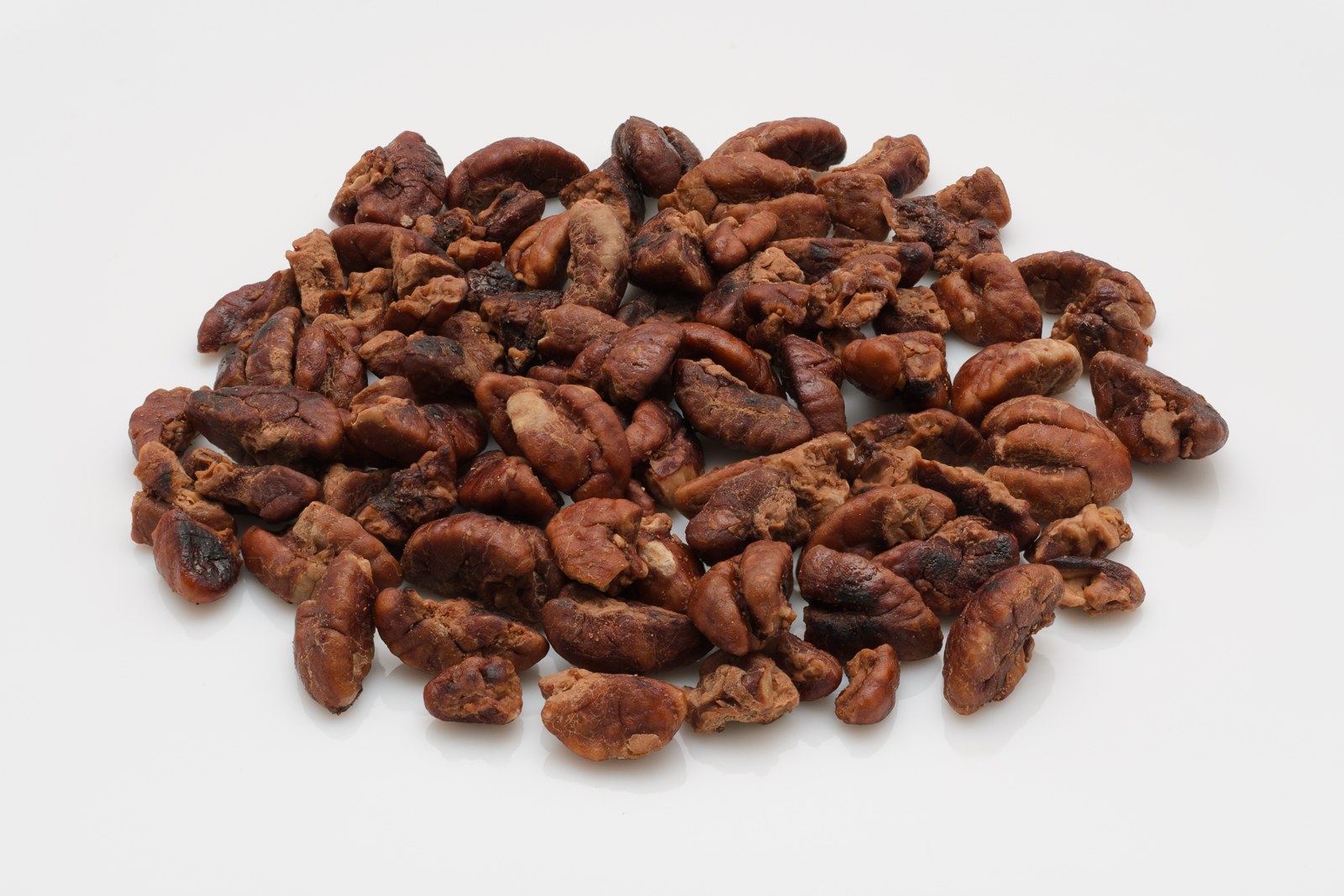
Chinese hickory kernels, shown to identify the food rather than a particular gift product. Photo: King of Hearts / Wikimedia Commons / CC BY-SA 4.0. Resized for web.

Chinese hickory snacks can be a gift you open and enjoy, rather than an ingredient waiting for a recipe. Prepared nuts come in shell-on and shelled formats, with flavors such as cream and salt-and-pepper. For someone receiving them for the first time, the useful questions are simple: which parts do you eat, what flavor is inside, and how could you share them?
This guide looks at prepared snacks and contemporary gift-giving, especially around Lin’an and Hangzhou. It draws on regional reporting and published product information, not a hands-on tasting.
Open the gift: snack, shells or cooking ingredient?
Start with the inner packets, not the presentation box. A gift box may hold several separate containers, and the flavor or format can differ between them. Keep the labels until you have finished the nuts.
- Prepared in-shell nuts: the kernel is the food; the shell still needs removing. “Hand-peelable” describes a shell-opening format, not a shell you can eat.
- Prepared kernels: these have already been taken out of their shells. Follow the pack’s directions; a ready-to-eat snack does not need another round of roasting before serving.
- Raw or cooking products: do not assume that every bag of Chinese hickory is a prepared snack. Check how the particular product is described and follow its preparation instructions.
If you need help opening the nuts, see our guide to eating Chinese hickory nuts. For identifying the species, our Chinese hickory introduction explains what 山核桃 means in this context.
Chinese hickory snacks: flavors, not necessarily coatings
The flavor choices are part of the appeal. A 2022 Hangzhou report on Lin’an hickory as a local gift describes the development of salt-and-pepper, cream and five-spice versions alongside different processed formats.
These names help you choose a flavor direction, but they do not describe a universal recipe. A flavored nut need not have a thick, visible coating. Nor does “cream flavor” alone establish which ingredients create that flavor. Use the ingredient list, rather than the name or appearance, when ingredients matter to you.
“Original” also needs a closer look. In a September 2026 producer feature and sales offer in City Express, one kernel option is described as original-aroma with less sugar and salt. That is a useful reminder that an original-style snack is not necessarily an unseasoned cooking ingredient.
For a fuller translation of flavor and ingredient terms, use our Chinese hickory label-reading and buying guide. Here, the practical point is to keep the flavors separate long enough to discover which you prefer.
Why give Chinese hickory nuts as a gift?
In Lin’an, the gift has a sense of place. The 2022 Hangzhou report presents local hickory as something visitors can take home to relatives and friends. It highlights boxes, bottles and bags as portable formats. The connection is therefore both regional and practical: a local food that can travel with the giver.
Gift packaging is also visible in producers’ ranges. Hangzhou Lin’an Taoyuan Green Food lists both Chinese hickory products and a gift-box category on its website. That establishes a commercial gift offering, without telling us what every box contains.
Holiday offers give a more specific example. The September 2026 City Express feature offered kernel gift boxes and mixed-flavor combinations, explicitly presenting gift packaging for Mid-Autumn Festival and National Day. This is evidence of contemporary regional gifting, not a claim that every Chinese household gives hickory nuts or follows the same tradition.
Choosing a gift the recipient will actually enjoy
Think about how the person will use it before choosing the largest box. For someone unfamiliar with opening hickory shells, prepared kernels are a straightforward introduction. Someone who enjoys shelling nuts may prefer an in-shell format. Ask rather than treating either as the more authentic choice.
A mixed-flavor selection can make sense when you know the recipient likes variety. If you do not know their preferences, a smaller selection is easier to explore than several large containers of one unfamiliar flavor. Check the contents of the exact box: a photograph of the outer packaging does not establish the flavor, shell format or quantity inside.
Before giving any food, check whether it is suitable for the recipient. Keep ingredients and allergen information available, especially with flavored products. A decorative box should not separate the food from the information someone needs to decide whether to eat it.
A simple way to serve and share them
The following are practical serving suggestions, not rules of Chinese hospitality:
- Open one flavor at a time. Put out a small amount and leave the rest in its package, following the storage directions.
- Make the format obvious. For in-shell nuts, provide a separate bowl for discarded shells. Keep shells away from bowls of ready-to-eat kernels.
- Keep each flavor identified. Place the packet beside its bowl or use a simple label, so guests can distinguish the options and check ingredients.
- Let the snack stand on its own. You can offer it alongside tea or another drink without turning it into a dish. There is no need to season an already flavored product again.
If you would rather cook with some of the kernels, try a little as a topping before committing a whole bag to a recipe. A sweetened or salted snack changes the seasoning of the finished food. Our Chinese hickory, pecan and walnut comparison covers that choice in more detail.
A good Chinese hickory gift needs no elaborate serving ritual. Know what is in the box, keep the labels, remove any shells and enjoy the prepared snack as it was intended.