What Are Chinese Hickory Nuts? A Guide to Lin'an Shanhetao
Chinese hickory nuts are the edible nuts of Carya cathayensis, known in Chinese as 山核桃 (shanhetao). They are closely associated with Lin'an, a district of Hangzhou in Zhejiang province. The name appears on snack packets, regional food guides and recipes, but it does not mean an ordinary walnut or a pecan.
Chinese hickory, pecan or walnut?
Chinese hickory and pecan belong to the same genus, Carya, but are different species. Pecan is Carya illinoinensis. The familiar English or Persian walnut is Juglans regia, in a different genus. A 2019 genomic study examined the relationship between these nut trees, including Chinese hickory material from the Tianmu Mountains around Lin'an.
This distinction is useful when reading a recipe, comparing nutrition information or looking at photographs. A guide to North American hickories may describe a species other than Chinese hickory. A generic “hickory nuts” label is less precise than the scientific name.
| Nut | Scientific name | How it relates |
|---|---|---|
| Chinese hickory | Carya cathayensis | The Chinese species covered in this guide |
| Pecan | Carya illinoinensis | Another species in the same genus |
| English or Persian walnut | Juglans regia | A different genus in the walnut family |
Why Lin'an matters
Lin'an has a well-established association with hickory cultivation and processing. A 2020 Hangzhou government introduction describes its hickory nuts as a traditional local snack. That regional connection helps explain why “Lin'an” is prominent in descriptions of the food.
A regional name is not, by itself, proof of where an individual packet was grown or processed. For a particular product, check its stated origin and producer. “Chinese hickory” identifies the nut; “Lin'an” describes a place associated with it.
What do they look and taste like?
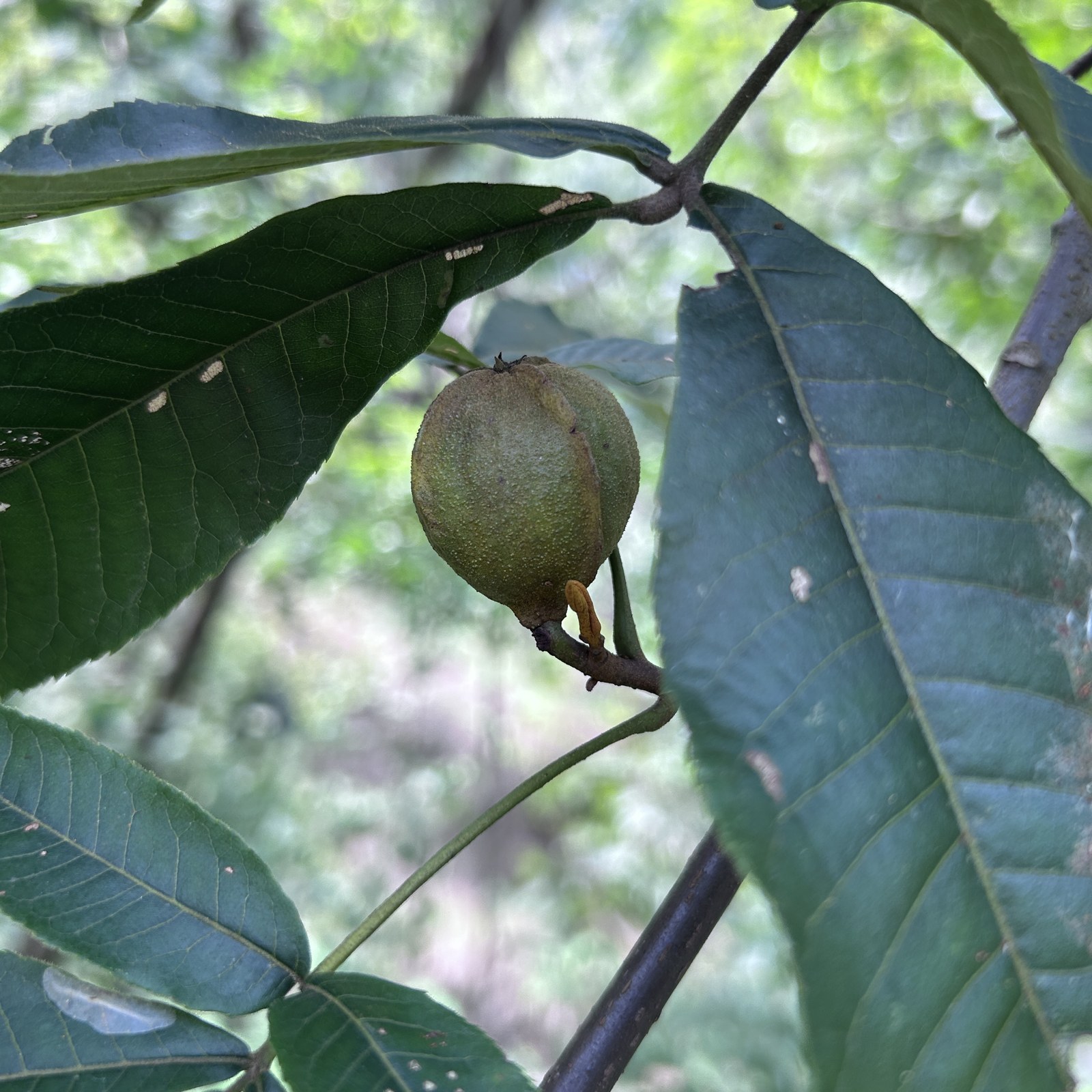
The nuts are small and oval, with a hard shell surrounding an oily kernel. The Flora of China description records the species and its edible nuts. For measurements and the distinction between husk, shell and kernel, see what Chinese hickory nuts look like.
Preparation makes a substantial difference to the eating experience. A Zhejiang tourism introduction describes the roasted snack's crisp texture and its use in candies and cakes. Salt, sweet coatings and other seasonings can change the flavor further. A flavored packet should not be treated as a tasting reference for the plain nut.
If you want to compare Chinese hickory with pecans or walnuts, choose similarly prepared samples. Comparing a sweetened roasted nut with an unseasoned one mostly tells you about the recipes. Taste descriptions are subjective; there is no single flavor note that every batch or preparation must have.
Understanding the three main formats
- Whole in-shell nuts: you remove the hard shell to reach the kernel.
- Hand-cracked nuts: the shell has already been cracked to help with opening, but you still need to separate the edible kernel from shell fragments.
- Shelled kernels: convenient for topping dishes or adding to a recipe without opening each nut first.
Format does not tell you whether a product is ready to eat. Check its preparation directions, ingredients and allergen information. Follow the package's storage instructions, including any separate advice for after opening.
Simple ways to use prepared kernels
Ready-to-eat kernels can be enjoyed on their own. As kitchen ideas, try chopping them over porridge, yogurt or a salad, or use them as a topping for a dessert. Choose plain kernels when you want control over the salt and sweetness; a strongly flavored snack will carry that seasoning into the dish.
These are serving suggestions, rather than tested substitutions for a particular recipe. For baking, use a recipe that specifies the nut preparation and quantity instead of assuming all nuts behave identically.
Where to go next
- How to eat Chinese hickory nuts: opening, shell fragments and preparation formats.
- Chinese hickory nutrition: serving weights, ingredient labels and the limits of the research.
- The appearance guide: understanding the fruit, shell and kernel.
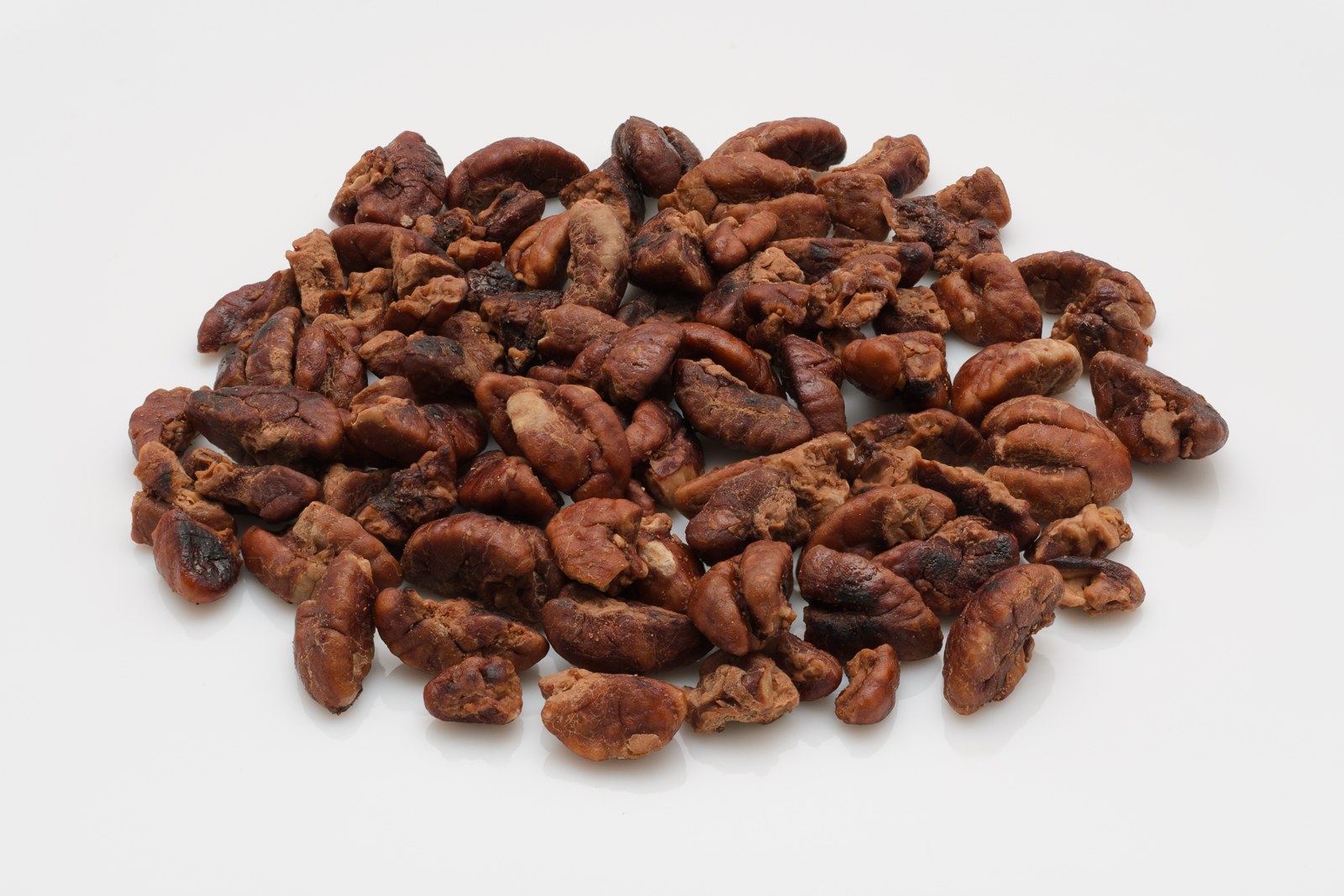
Featured image: Chinese hickory (Carya cathayensis) kernels. Photo: King of Hearts / Wikimedia Commons / CC BY-SA 4.0. Resized for web.

One thought on “What Are Chinese Hickory Nuts? A Guide to Lin’an Shanhetao”