
A Quick History of Lin'an, Hangzhou: County, Capital Name and Modern District
Lin'an can refer to two different things in a history of Hangzhou: the county that developed into today's Lin'an district, and the name used for Hangzhou as the Southern Song imperial capital. The names overlap, but the places and administrative boundaries should not be treated as identical.
Updated 2 November 2026: location diagram and administrative timeline.
Was Hangzhou once called Lin'an?
Yes. In Southern Song history, Lin'an refers to the imperial city at present-day Hangzhou. The Library of Congress description of the Xianchun Lin'an zhi, a gazetteer published in 1268, identifies its imperial city as Lin'an, present-day Hangzhou. The work covers the court and central offices as well as the wider territory, local institutions and customs.
Today's Lin'an district lies west of central Hangzhou. A reference to the Southern Song capital therefore does not mean that the imperial court was located in the present district center. When reading a map or historical source, check whether “Lin'an” means the county, the prefecture or the capital city.
Where are the two Lin'an references?
Within present-day Hangzhou
WEST · Modern district
Lin'an district
The modern administrative district west of central Hangzhou. Its county history begins with the name Linshui.
FARTHER EAST · Historic capital
Central Hangzhou
The Southern Song imperial city was known as Lin'an. This capital name does not place the court in today's Lin'an district center.
What was Lin'an called before?
For the county associated with today's district, the early name was Linshui County (临水县). The China Historical GIS record published by Harvard and Fudan universities dates Linshui County to 211–279 CE and records its renaming as Lin'an in 280. The entry supplies references to the historical texts behind that chronology.
This answers a different question from “What was Hangzhou called during the Southern Song?” Linshui is the earlier county name; Lin'an is the historical capital name encountered in accounts of Southern Song Hangzhou.
A short timeline of the district's administrative history
The 2021 Lin'an Yearbook, district overview (yearbook library) summarizes the major changes. The dates below follow the county and modern district, not the Southern Song capital:
- 211: Linshui County was established.
- 280: the county was renamed Lin'an.
- 1960: Changhua County, which already included Yuqian, was incorporated into Lin'an County.
- 1961: Former Yuhang territory was separated from Lin'an.
- 1996: Lin'an changed from a county to a county-level city.
- 2017: it became a district of Hangzhou.
The yearbook treats modern Lin'an as a territory formed from the former Lin'an, Yuqian and Changhua counties. It is therefore misleading to project today's district boundary unchanged onto every earlier period.
Lin'an and the Wuyue Kingdom
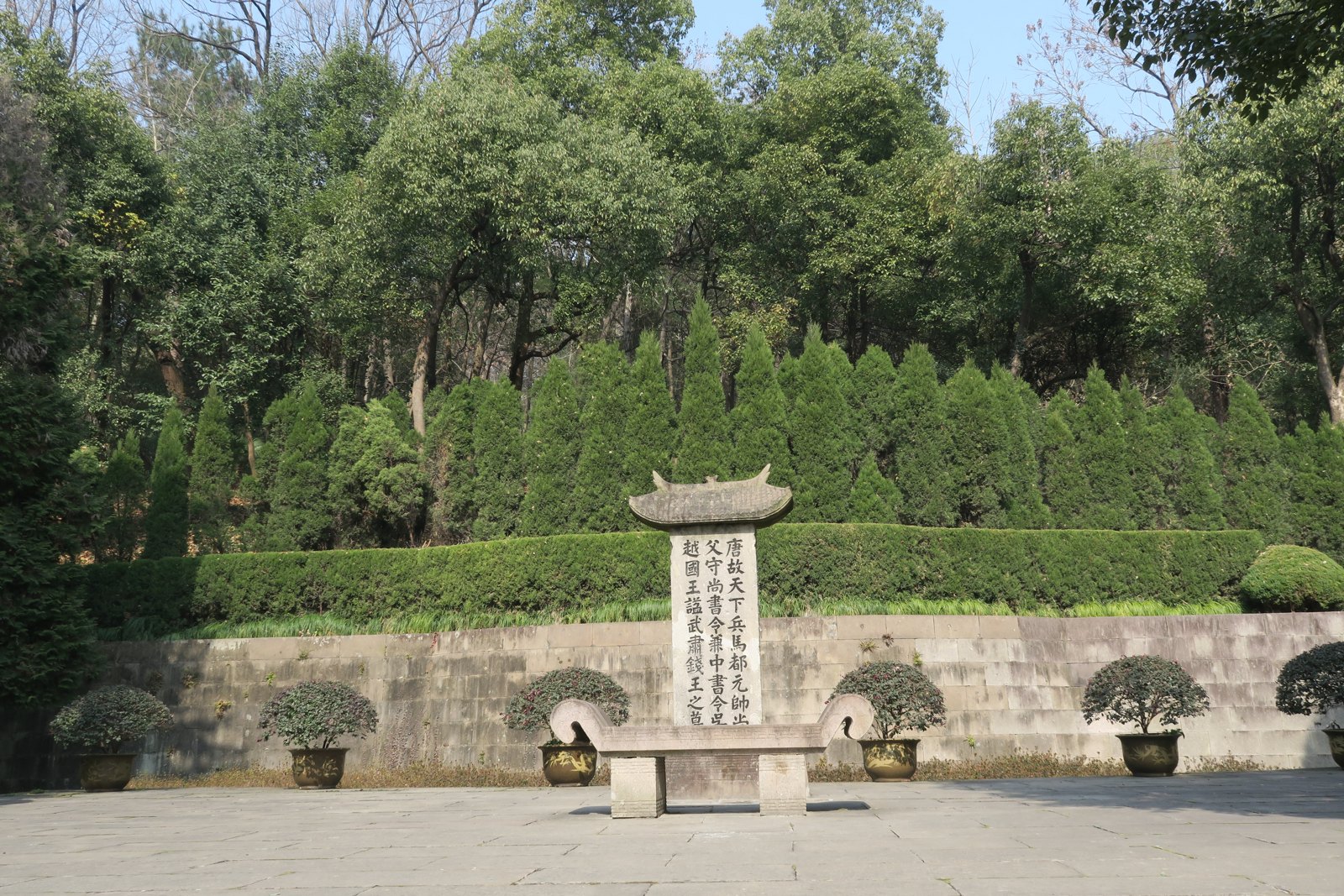
Wuyue is another important part of local history, distinct from the later Southern Song capital. A Hangzhou government report on the opening of Lin'an Museum describes Qian Liu as a ruler from Lin'an and identifies Hangzhou as Wuyue's capital.
Archaeology gives this history a local setting. The city's report on the Yijincheng Archaeological Site Museum describes surviving walls, roads, drainage works and other remains of a political and military center associated with Wuyue in present-day Lin'an district. The site connects the kingdom's history to the streets, buildings and infrastructure of a particular place.

Reading the name in food and travel writing
In food writing, “Lin'an hickory nuts” refers to the modern growing region associated with Chinese hickory. Keeping that region distinct from the historic capital makes both the food story and the city's history easier to follow.
For more local context, read our introduction to Lin'an Museum. For the food rather than the administrative history, see our guide to Chinese hickory nuts.